Ella Stewart Care
  • Home
  • About Us
    • Our Team
    • Ella's Story
    • Our Caregivers
  • Get Started
  • Care
    • In-Home Care
    • Live-in Care
    • Management
  • Info
    • Service Area
    • Blogs
  • Employees
    • Employee Portal
    • Apply
  • Home
  • About Us
    • Our Team
    • Ella's Story
    • Our Caregivers
  • Get Started
  • Care
    • In-Home Care
    • Live-in Care
    • Management
  • Info
    • Service Area
    • Blogs
  • Employees
    • Employee Portal
    • Apply

Types & Triggers of Dementia - Part 1 - Introduction to Dementia, Alzheimer's Disease, & Vascular Dementia

10/3/2019

3 Comments

 
By Anna Hazard
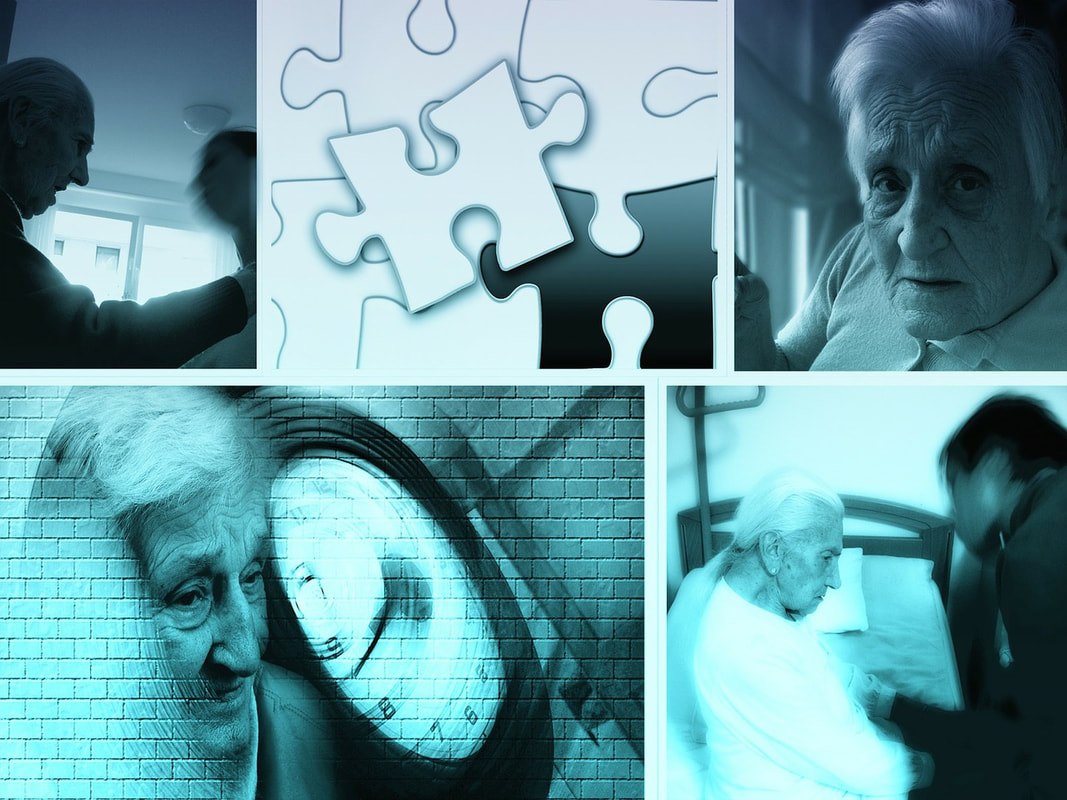
Types & Triggers of Dementia Banner Picture

View the Rest of the Series

Part 2 - Lewy Body, Frontotemporal Dementia, and General & Maryland Specific Resources

What is Dementia

Dementia is not one specific disease, but instead is a general term used to describe severe physical changes within the brain that cause memory loss, degradation in language, mental acuity, decision making, as well as changes in behavior and personality that end up impacting  the ability to perform normal everyday actions.

​All types of dementia are progressive over time which means that the functioning of the brain will continue to degenerate throughout the patient's life.

General Triggers

While the risk of developing dementia increases with age, it is not a normal part of the aging process and is instead most commonly triggered by a related disease that affects the brain such as Parkinson's, Huntington's, Creutzfeldt-Jacob, or Down Syndrome.

​Any condition that has the potential of causing damage to the nerve cells of the brain increases the chance of developing dementia. In particular, alcohol or drug abuse can be a major component in developing certain types of dementia, which unlike most other forms, has a small (less than 20%) chance of being reversible.
 
Many of the risk factors for developing heart disease or stroke also raise the chance of promoting dementia. This includes smoking, malnutrition, lack of exercise, obesity, as well as having high cholesterol, blood pressure, or blood sugar.

Types of Dementia

While there are over 100 different types of dementia, the four most common varieties are Alzheimer's Disease, Lewy Body Dementia, Vascular Dementia, and Frontotemporal Dementia. Many people also experience multiple types of dementia developing at once, a condition which is called Mixed Dementia.

Other common types of dementia include Creutzfeldt-Jakob Disease, Huntington's Disease, Normal Pressure Hydrocephalus, Posterior Cortical Atrophy, Parkinson's Disease Dementia, and Wernicke-Korsakoff Syndrome
.
Alzheimer's Picture

Alzheimer's Disease

Alzheimer's Disease is the most common and well known type of dementia with between 60 - 80% of all diagnosed dementia cases being attributed to this disease. Alzheimer's is the sixth leading cause of death within the USA with an average life span of 4 - 8 years after diagnosis and onset of the disease (although cases of up to 20 years have been recorded). Approximately 5% of  cases (about 200,000 per year in the USA) are early on-set Alzheimer’s occurring within people in their 40s - 50s rather than the average age of 65+ for normal Alzheimer's.
 
As opposed to other forms of dementia, Alzheimer's usually develops slowly and degenerates over a span of years with early stage symptoms mainly centering around mild memory loss due to the disease typically first affecting the part of the brain in control of learning & short term recall. Late stage symptoms include the inability to communicate or respond to their environment.
 
As there is no cure, treatments center around slowing the progress of symptoms of improving quality of life.
 
  • General Symptoms : Memory loss (especially retaining new info), Confusion, Difficulty communicating, Anxiousness & depression, Paranoia, Mood, personality, & behavior changes, Difficulties with speaking, swallowing, & walking
  • Causes : Suspected to be caused by the build-up of protein within the brain such as beta-amyloid plaques between the nerve cells and tau tangles inside of them.  This interferes with nerve cell functioning, blocking communication and disrupting essential processes needed for cell life, thus damaging and killing the nerve cells of the brain.
Vascular Dementia Picture

Vascular Dementia

Vascular Dementia, also known as multi-infarct dementia, post-stroke dementia, or vascular cognitive impairment is the second most common type of dementia taking up around 5 - 10% of all dementia diagnoses.  The impact of vascular impairment varies widely depending on the severity of blood vessel damage as well as the specific location within the brain that has been affected. Vascular brain changes are also often linked to other subtypes of dementia such as Alzheimer's or Lewy Body.
 
This type of dementia is generally linked to a sudden onset after a major stroke or a more gradual decrease after an extended series of mini strokes (also known as transient ischemic attack or TIA). In general, any condition that potentially damages blood vessels within the body greatly increases the risk of developing Vascular Dementia. This includes conditions that would increase the risk of heart disease, stroke, or other diseases that affect the circulatory system.
 
Treatment for Vascular Dementia is primarily focused on preventing the worsening of the underlying disease that originally caused the dementia. This would include treatment of conditions such as hypertension, hyperlipidemia, diabetes, or poor cardiovascular health. In addition, some benefits can be gleaned from the use of medicines meant for Alzheimer's treatments.
 
  • Symptoms: Memory loss, Disorientation & confusion, Impaired judgment & planning skills, Loss of motivation, Trouble concentrating, Hallucinations, Vision problems, Uncontrolled laughter, Depression, Trouble communicating (both speaking & understanding speech), Poor balance & difficulty walking, as well as other symptoms common to stroke (such as numbness or paralysis of one side of the body)
  • Cause: Direct damage to the brain is the underlying cause for this type of dementia usually by nerve cell death through lack of oxygen or nutrients. These damages can occur through health conditions that reduce blood flow to the various regions of the brain such as atherosclerotic disease or through direct bleeding in the brain caused by a stroke.
3 Comments
rudolf reich link
2/27/2024 05:47:39 am

The message you shared deeply affected me. Your honesty and openness helped me view things differently. Thank you for sharing your personal story.

Reply
van von link
2/28/2024 01:51:06 am

The impact of your words resonated with me, bringing a wave of understanding. Your openness and authenticity enabled me to see things in a new light. I appreciate your courage in sharing your personal journey.

Reply
ph8 link
4/24/2024 10:08:40 pm

Thank you for sharing your positivity with the world. Your blog has become my happy place, and I'm so grateful to have discovered it.

Reply


Leave a Reply.

    Picture

    About

    News updates, tips, and guides on senior care, senior health, stress relief and a host of other caregiving related topics from the professionals at Ella Stewart Care.

    RSS Feed

Picture
Home | Services |  Caregivers | Blog  | Contact us| Facebook