Ella Stewart Care
  • Home
  • About Us
    • Our Team
    • Ella's Story
    • Our Caregivers
  • Get Started
  • Care
    • In-Home Care
    • Live-in Care
    • Management
  • Info
    • Service Area
    • Blogs
  • Employees
    • Employee Portal
    • Apply
  • Home
  • About Us
    • Our Team
    • Ella's Story
    • Our Caregivers
  • Get Started
  • Care
    • In-Home Care
    • Live-in Care
    • Management
  • Info
    • Service Area
    • Blogs
  • Employees
    • Employee Portal
    • Apply

Basic Diet Guide for Overactive Bladders & Incontinence

3/24/2016

4 Comments

 
By Anna Hazard
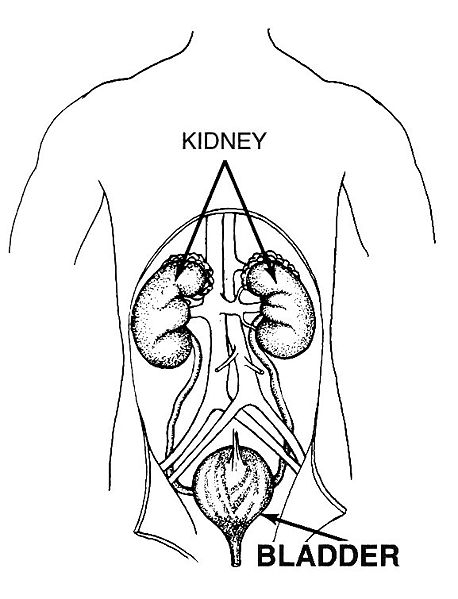
Bladder Diagram Picture
The symptoms of an overactive bladder or incontinence can strike at any age, however, these problems tend to grow more pervasive as people grow older, especially when it comes to women. Symptoms of an overactive bladder include...
  • Urinary Urgency - the sudden & strong inclination to urinate
  • High Frequency - needing to urinate in excess of 8+ times a day
  • Nocturia - The need to urinate more than 2+ times a night
  • Incontinence - the involuntary leaking of urine
 While there are various treatments available for overactive bladders spanning from prescribed medications to bladder training & pelvic exercises to surgery in severe cases, many people have been able to help alleviate their symptoms by undergoing a few basic changes in their diet -- avoiding foods that exacerbate the symptoms and substituting them with more bladder healthy options.

Foods, Drinks, & Other Substances to Be Avoided
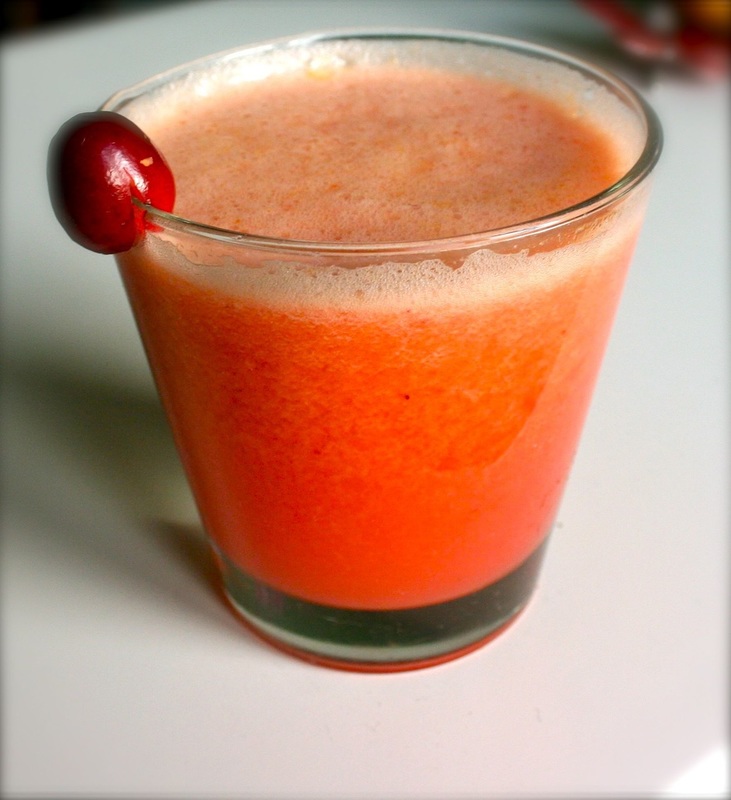
Cranberry Juice Picture
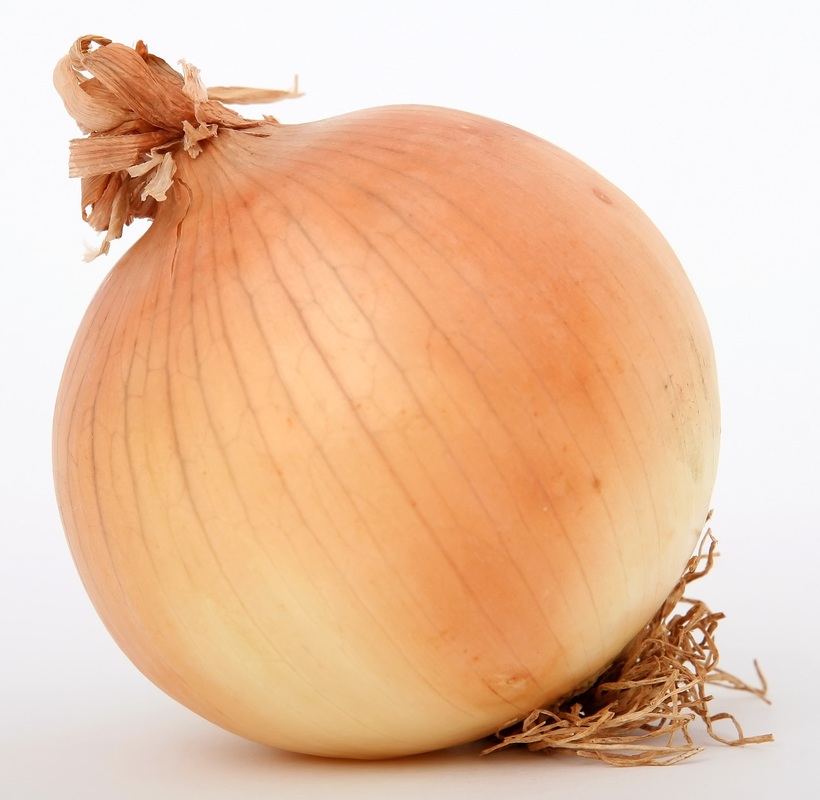
Onion Picture
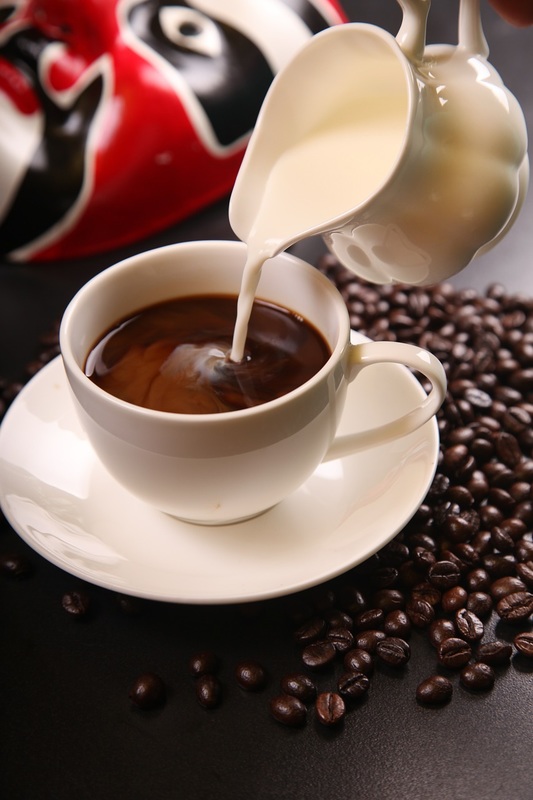
Coffee Picture
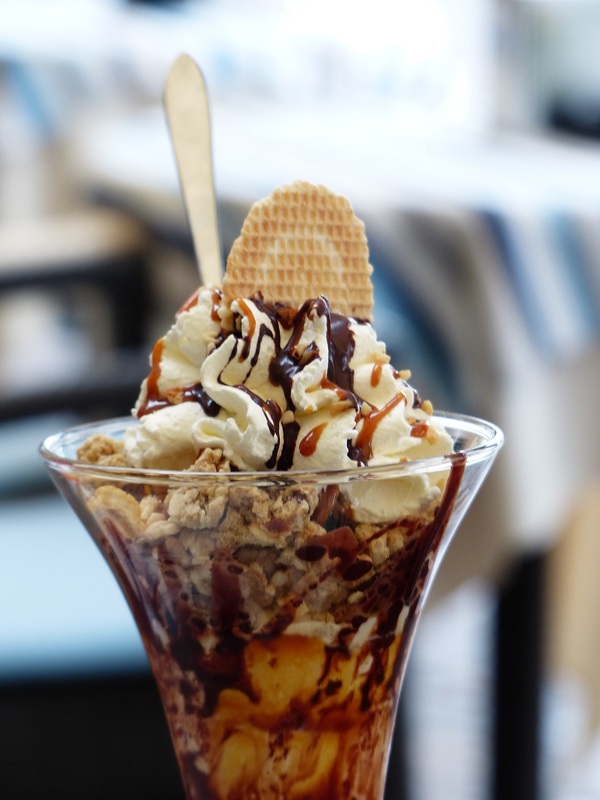
Ice cream + Whipped Cream Picture
  • Spicy Foods (hot pepper, wasabi, chili) irritate the many nerves in the bladder muscles & lining. Herbs should be substituted for taste instead.
  • Acidic Foods
    • Cranberries/Cranberry Juice - While cranberries are often consumed to help bladder infections, their being a diuretic that prevents bacteria from attaching to the bladder lining as well as their acidity can both stimulate and irritate the bladder
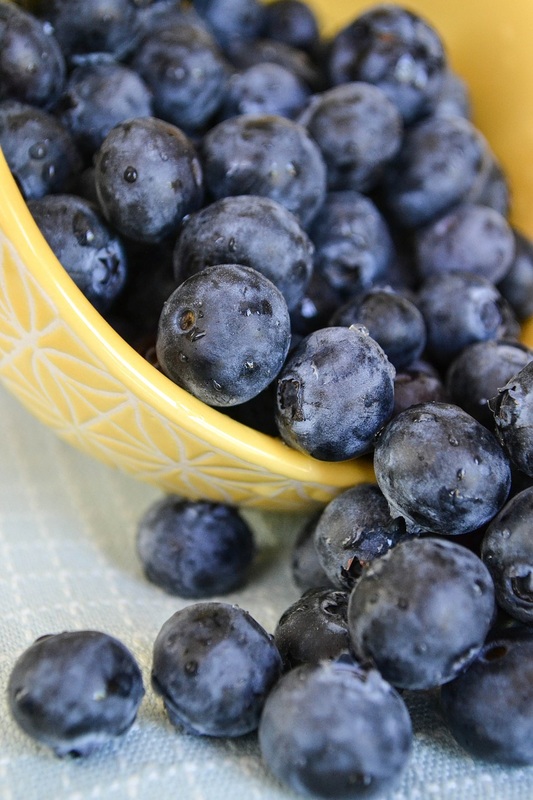
    • Other Citrus Fruits/Acidic Food(orange/grapefruit/lemon) - Acidity can irritate the bladder lining, so milder fruits such as pears  or blueberries should be substituted instead
    • Tomatoes - Another acidic fruit, adding cream or baking soda to tomato based sauces before consuming them may help neutralize their acidity
  • Onions - Similar to the acidic and spicy foods, these vegetables in particular can irritate the bladder lining. The main culprit comes when they are in raw form, so their inflammatory effect may be lessened with cooking.
  • Sugar & Other Sweeteners - Can be both bladder irritating as well as supporting the increase of bacteria in the bladder which can lead to infection. The effect is worsened for artificial sweeteners (aspartame, sucrolose as well as corn syrup, but some people have symptoms when ingesting natural cane sugar & honey as well.
  • Caffeine (coffee, chocolate, soda, tea) - A diuretic(which increases the amount of urine produced) as well as a bladder muscle stimulant and bladder lining irritant. It's recommended that those who have overactive bladders should consume no more than 1 serving - 100 mg - a day.
  • Alcohol - A diuretic(which increases the amount of urine produced) as well as a bladder muscle stimulant and bladder lining irritant. It's also recommended to not exceed more than 1 serving of alcohol per day.
  • Carbonated Beverages (Soda) - Carbonation can irritate the bladder and such carbonated products usually have the presence of caffeine and sweeteners which will also further trigger bladder activity.
  • Processed Foods/Coloring/Preservatives/MSG - Act as bladder irritants
  • Salty Foods (potato chips, salted nuts) - These foods can cause the body to retain water (which will eventually get passed through to the bladder) and encourages the further consumption of liquids which will also increase urination frequency.
  • Dairy(milk, cheese) - A bladder irritant that increases the symptoms of overactive bladders in some people, especially those with Interstitial Cystitis
  • Certain Medications - Have adverse side effects that manifest as trouble in the bladder. These include many antidepressants, diuretics, sedatives, antihistamines, narcotics, calcium channel blockers, alpha blockers, heart medications, blood pressure-lowering drugs, and muscle relaxants. Over-the-counter medications include Excedrin, Midol, Anacin, Dristan and Sinarest.
  • Cigarettes - Irritating to bladder muscle lining and also induces coughing spasms that may lead to leakage & incontinence.
Foods, Drinks, & Other Substances to Add to the Diet
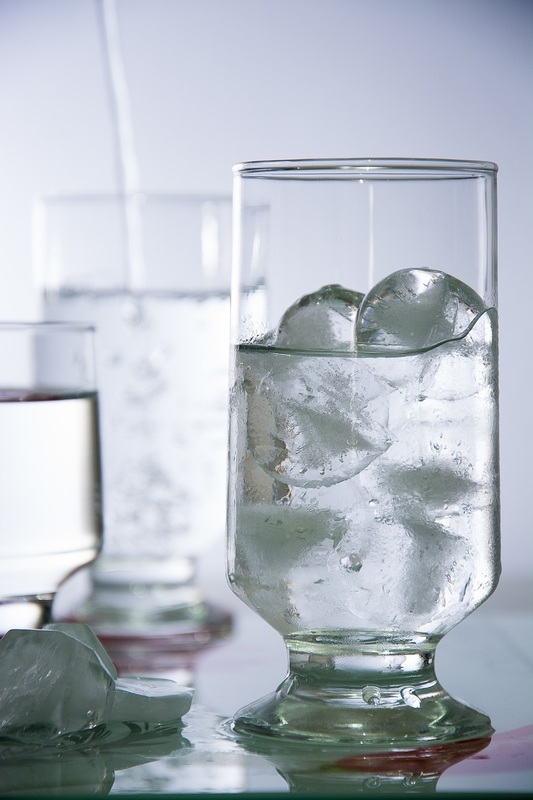
Water Picture
Blueberries Picture
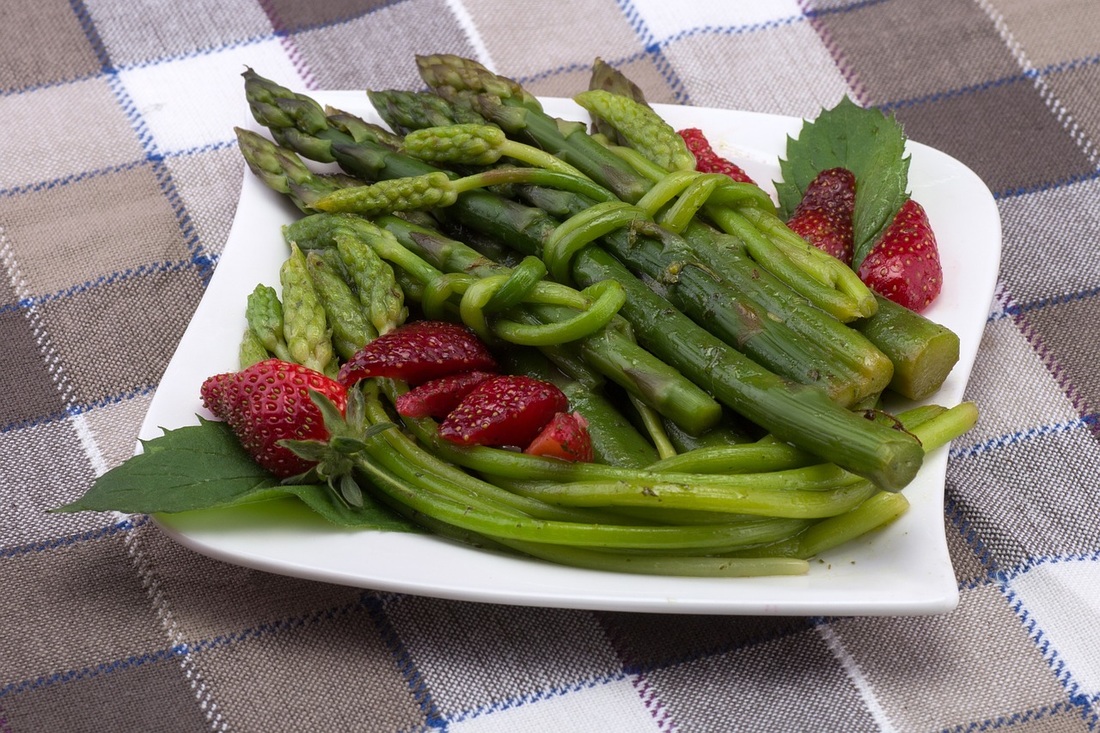
Asparagus & Strawberries Picture
  • Water - The drink of choice as many added ingredients (such as caffeine, sweeteners, or acidic fruit juices may further irritate the bladder.
    • Drink when thirsty several times throughout the day instead of consuming a large quantity of liquids only doing meal times.
    • Do not force yourself to drink the recommended 8 glasses of water per day if you're inactive or otherwise not thirsty, as that will merely cause a greater frequency of urination.
    • Do not become dehydrated or refrain from drinking when thirsty as that will concentrate the acidity in the urine which will further irritate & inflame the bladder lining and may cause constipation or kidney stones.
    • Urine should be light yellow or colorless if you're adequately hydrated.
  • Natural Foods - Natural foods should be chosen over their processed counterparts which may include ingredients that will further irritate the bladder. This includes fiber containing foods such as vegetables & non-acidic fruit.
  • Fiber Rich Foods
    • Constipation increases the chances of incontinence due to the pressure and local proximity of the colon to the bladder.
    • Severe constipation (1 stool movement  or less per week) can permanently damage pelvic muscles necessary for the use of bladder control.
    • 20 - 25 grams of fiber is recommended daily split between insoluble form(for regularity) & soluble form(for digestion).
    • Fiber rich foods include...
      • Insoluble - Wheat bran, legumes(lentils, kidney beans), the skins of certain fruits(blueberries, apples, pears) & vegetables(corn, potatoes, squash, carrots), whole grains, and brown rice.
      • Soluble - Oatmeal, barley, legumes (beans, lentils, nuts, peas), seeds, and some fruits (apricot, grapefruit, oranges) and vegetables (brussels sprouts, turnips, asparagus)
4 Comments
van von link
2/28/2024 01:50:04 am

The message you shared deeply affected me. Your honesty and openness helped me view things differently. Thank you for sharing your personal story.

Reply
Jessie O.
11/20/2024 09:43:29 pm

Same here! Starting the conversation is the hardest part, but it's also supremely important. There should be no stigma when it comes to incontinence. That's why people are so reluctant to speak with medical professionals: https://www.premiermedicalhv.com/divisions/services/bladder-retraining/.

Reply
First-Time Patient link
5/26/2025 09:04:55 pm

Good thing I'm the one person in my family who never developed a taste for spicy foods. Thanks for the list. I'm going to review it ahead of my next doctor's visit to see what she thinks about how my diet is affecting things.

Reply
Student link
11/21/2025 10:17:44 pm

I've come to love onions over the years, but they can be brutal in so many different ways, especially on the bladder.

Reply


Leave a Reply.

    Picture

    About

    News updates, tips, and guides on senior care, senior health, stress relief and a host of other caregiving related topics from the professionals at Ella Stewart Care.

    RSS Feed

Picture
Home | Services |  Caregivers | Blog  | Contact us| Facebook