Ella Stewart Care
  • Home
  • About Us
    • Our Team
    • Ella's Story
    • Our Caregivers
  • Get Started
  • Care
    • In-Home Care
    • Live-in Care
    • Management
  • Info
    • Service Area
    • Blogs
  • Employees
    • Employee Portal
    • Apply
  • Home
  • About Us
    • Our Team
    • Ella's Story
    • Our Caregivers
  • Get Started
  • Care
    • In-Home Care
    • Live-in Care
    • Management
  • Info
    • Service Area
    • Blogs
  • Employees
    • Employee Portal
    • Apply

Basic Guide to Pressure Sores & Their Prevention

4/28/2016

2 Comments

 
Bed Sore / Pressure Sore / Decubitus Ulcer
Pic by Dr. Andreas Settje SKM-Hospital, Nepal GNU Free Doc License
Definition & Basic Causes
  • Pressures sores, also known as bed sores or decubitus ulcers, are injuries to the skin & underlying tissue caused by prolonged pressure to the area.
  • Sores tend to form on patches of skin/flesh that cover bony prominences & that have little fat/flesh to pad the bone.
  • Specifically these areas include the tailbone, elbows, hips, shoulder blades, heels, knees, spine/lower back, back of head, ears, toes & other bony parts of foot
  • When pressure is maintained on a specific part of the body for several hours, the blockage of the blood flow to the area results in necrosis/death of the tissue due to lack of oxygen & nutrients.
  • The sores at the surface of the skin are only the tip of the iceberg as pressure sores form from within, so the greater damage is done to the unseen muscles and flesh closer to the bone.
  • If left untreated pressure sores can become deadly, leading to infections(meningitis, cellulitis and endocarditis) or requiring amputation.
  • They are far easier to prevent than to treat with 95% of all pressure sores being preventable.
  • Ulcers heal very slowly even on healthy adults and can progress to later stages very fast.
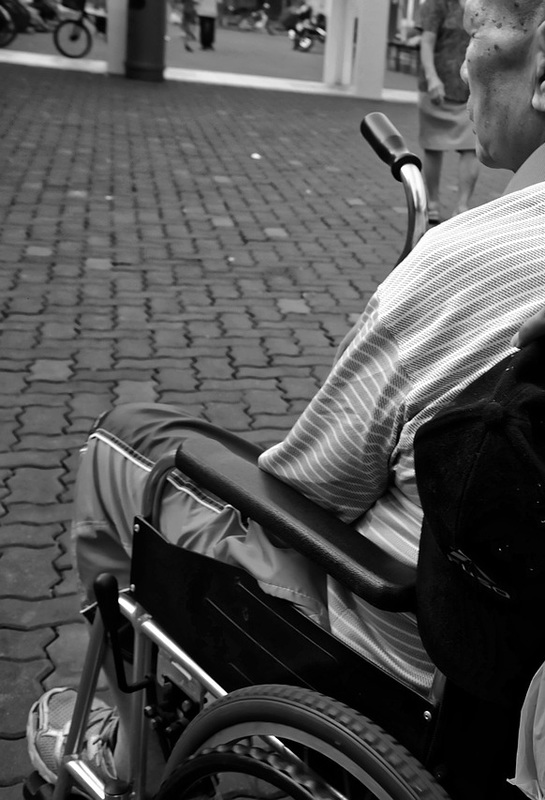
Wheelchair Image
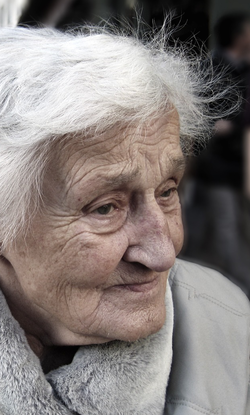
Older Adult Picture
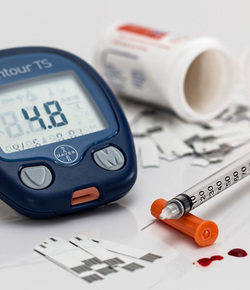
Diabetes Equipment Image
Most at Risk
  • Those Who Spend Extended Time in a Chair or Bed
    • Pressure from lying on a bed for several hours can cause these bed sores.
    • Most likely locations to get bed sores are in a bed or in a wheelchair.
  • Those with Mobility Problems
    • A normal healthy person changes positions every 15 minutes or so (even during sleep) which prevents these sores from forming.
    • People who have trouble changing position on their own due to being paralyzed, sick, weak, old, etc are at the greatest risk of forming pressure sores.
  • Older Adults
    • Older adults are at higher risk because of their thinner/more fragile skin due to age + the increased chances of mobility problems or other illnesses that will help compound the formation of sores.
  • Those who are Overweight/Underweight
    • Weight & nutrition problems hamper the skin's ability to heal
  • Those with Incontinence
    • Moisture + the acidity of urine help speed the formation of sores
  • Those with Decreased Sensation in Body or Other Conditions
    • Other condition can impact bed sores by raising the risk of their formation.
      • Anemia - Low hemoglobin carries less oxygen to the tissue
      • Diabetes - High blood sugar slows down the healing of the skin
      • Lack of Sensation - Camouflages the discomfort that lets the body know its time to change position.
Pressure Sores Stages Diagram
Image by Nanoxyde * GNU 1.2 License
The Stages of Pressure Sores
  • Stage 1 - Includes a redness/darkness/or discoloration of an area of skin which may include heat, and the region may feel softer or harder than surrounding skin.
    • If all pressure to the area is removed, this stage can be healed within 3 days.
  • Stage 2 - Skin breaks open to form a shallow sore or a painful ulcer. This may look like a scrape, shallow crater in skin, or a blister. There may be some drainage of pus or liquid.
    • If all pressure is removed, this stage can be healed within 3 weeks
  • Stage 3 - Sores worsen and extend into the tissue beneath the skin forming a deeper crater. There may be no pain in this stage due to the death of the surrounding tissue.
    • Look for signs of infection  such as redness around the edges of the sore, odor, fever, seeping pus or greenish liquid, or necrosis (blackened dead tissue).
    • This stage requires special wound care with 4 months+ to heal.
  • Stage 4 - An open wound extends down into the muscle or bone below. This may appear as a hole in the flesh where bone can be seen  due to damaged to bone/muscle with lots of blackened dead tissue and discolored drainage. There may be no pain due to death of tissue.
    • Surgery may be required with a recovery time of 3 months to 2 years.
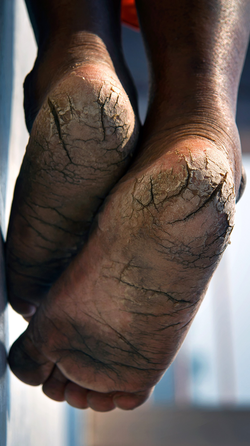
Cracked Feet / Heel Injury Picture
Prevention

Above all avoid prolonged pressure on one area of the body, especially on vulnerable bony regions.

  • Vigilance
    • Check the entire body at least twice each day for developing redness or discolored spots, especially on vulnerable areas. Naturally dark skin may not have redness, but another off-color.
    • Check any discolored areas for discomfort/heat/lack of blanching (whitening of the skin when pressure is directly applied then immediately returning to normal color within 30 seconds when the pressure is removed) as well as for blisters, bruising, cracked/scraped skin, and any changes in skin density.
    • A bed sore can be considered as having formed if pressure is entirely removed from the area for 30+ minutes yet the color still remains red/darkened/discolored and does not return to normal.
    • Pay special attention to vulnerable areas as well as areas in contact with any braces or casts.
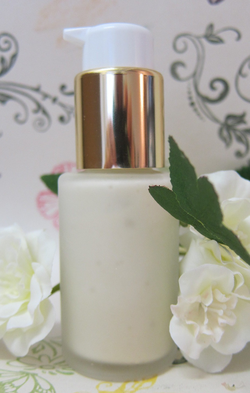
Skin Care Lotion Picture
  • Skin Care
    • Keep skin clean & dry.
    • Treat skin gently - avoid strong soaps or talcum powder, as well as any skin treatments containing alcohol.
    • Use a soft sponge/cloth when bathing with no scrubbing used.
    • Use gentle/good moisturizing creams and lotions.
    • Change diapers and wet clothing often to prevent skin contact with acidic urine.
    • Avoid sunburn and overexposure to sunlight, especially with those who take medicines that cause sun sensitivity.
Vitamins Picture
  • Nutrition
    • Healthy skin diets include those with protein, fruits & vegetables, iron, zinc, Vitamin A, Vitamin A, and other daily vitamins & minerals that help with skin healing.
    • Drinks lots of liquids, especially water, to keep skin hydrated.
    • Avoid caffeine (often found in coffee/teas/soda) which dehydrate & cause bladder spasms.
    • Keep blood sugar low especially for those with diabetes.
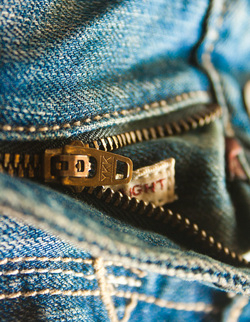
Zipper & Bulky Clothing Image
  • Clothing
    • Avoid ill-fitting clothes with too tight pressure on skin or too loose causing rubbing/friction against skin.
    • Avoid clothes & shoes with thick seams, buttons, or zippers that press or rub against skin, those with bulky pockets, thick folds, or wrinkles.
    • Keep clothes & blankets from bunching or wrinkling, especially around the body's pressure points.
    • Do not carry items in the back pocket of the pants.
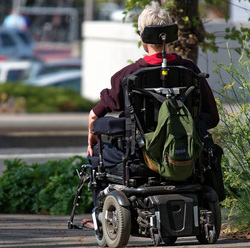
Wheelchair Picture
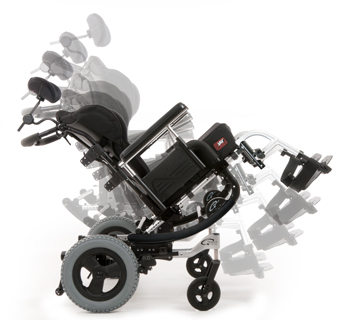
Reclining Wheelchair Picture
  • Wheelchairs
    • Change position/shift weight (lean forward, back, to either side) every 15 - 20 minutes while in the chair with at least 1 major change in position per hour.
    • Sitting straight in a wheelchair puts less pressure on vulnerable pressure region than slouching does.
    • Make certain that the wheelchair is the correct size for the person's body weight & shape by having a doctor/therapist check the proper fit once a year or after any noticeable weight change.
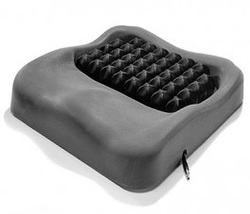
    • Wheelchair cushions should be fitted properly and be foam, gel, or sheepskin (no donut shaped pads).
    • Special tilting/reclining wheelchairs [1, 2] are also available whose main benefits include relieving pressure on the body.
Picture
Picture
Picture
  • Beds
    • Change body position in bed at least every 1-2 hours.
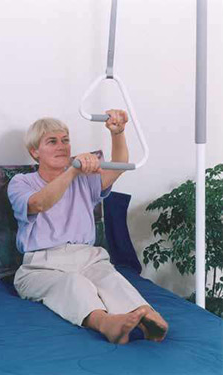
      • Trapeze bars installed over the bed can help with the patient repositioning themselves.
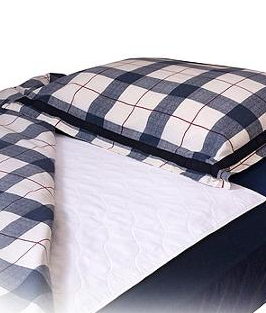
      • Bed linens, transfer slides/slings/sheets/boards, and mobile lifts can help caregivers to reposition patients without unnecessary dragging that can irritate the skin and lead to sores
    • Use foam, gel, or alternating air mattresses or mattress overlays that have special pressure redistribution surfaces.
    • Keep any elevation of the head of bed to no more than 30 degrees to avoid slipping/shearing or putting too much pressure on the buttocks and lower back region.
    • Use absorbing pads on the bed surface for incontinence or perspiration.
    • Pillow Use
      • Place pillows under the bottom of legs (midcalf to ankles) to prevent heel bed sores.
      • Use pillows when lying on side so that body weight rests on the fleshy part of buttock instead of directly on the hip bone.
      • Use pillows between knees and ankles or other parts of body that rub or press together.
      • Other places for pillows for bed sore prevention.
        • Under heels
        • Under tailbone
        • Under shoulders
        • Under elbows
        • Do not put pillows under knees as that increases the pressure on the vulnerable heels.
Picture
  • Positioning
    • Proper positioning is the key to preventing bed sores.
    • Change body position at least every 2 hours when in bed and every 15 - 20 minutes while in chair.
    • Perform pressure relief feats by lifting the body up for 30 - 90 seconds before repositioning.
    • Reduce friction by lifting bodies rather than dragging.
    • Body positions used should minimize pressure on vulnerable areas.
    • Mild exercise while in bed or while sitting in chairs can greatly reduce the chances of pressure sores forming. These include arm and leg lifts etc.
Picture
  • Pressure Reducing Devices
    • Egg crate foam mattress
    • Gel pads
    • Sheepskin pads
    • Wheelchair cushions (not donut shaped)
    • Special pressure redistribution mattresses
2 Comments
wheelchairindia link
12/22/2016 05:45:35 am

Hey, very nice site. I came across this on Google, and I am stoked that I did. I will definitely be coming back here more often. Wish I could add to the conversation and bring a bit more to the table, but am just taking in as much info as I can at the moment. Thanks for sharing.
<a href="http://www.wheelchairindia.com/Wheelchair/0/WALKING-AIDS" title="Walking Aids For The Elderly">Walking Aids For The Elderly</a>

Keep Posting:)

Reply
toilet seat risers link
12/9/2017 01:59:05 am

Nice post, Thank you for sharing valuable information. I enjoyed reading this post. The whole blog is very nice found some good stuff and good information here Thanks for sharing...Also visit my page.
<a href="https://www.wheelchair24.com/210/FS-Imported-Commode-Riser--Elevated-Raised-Toilet-Seat-4-Inches---FS881B4
" rel="dofollow"toilet seat riser">toilet seat riser</a>

Keep Posting:)

Reply


Leave a Reply.

    Picture

    About

    News updates, tips, and guides on senior care, senior health, stress relief and a host of other caregiving related topics from the professionals at Ella Stewart Care.

    RSS Feed

Picture
Home | Services |  Caregivers | Blog  | Contact us| Facebook